
February 2, 2026
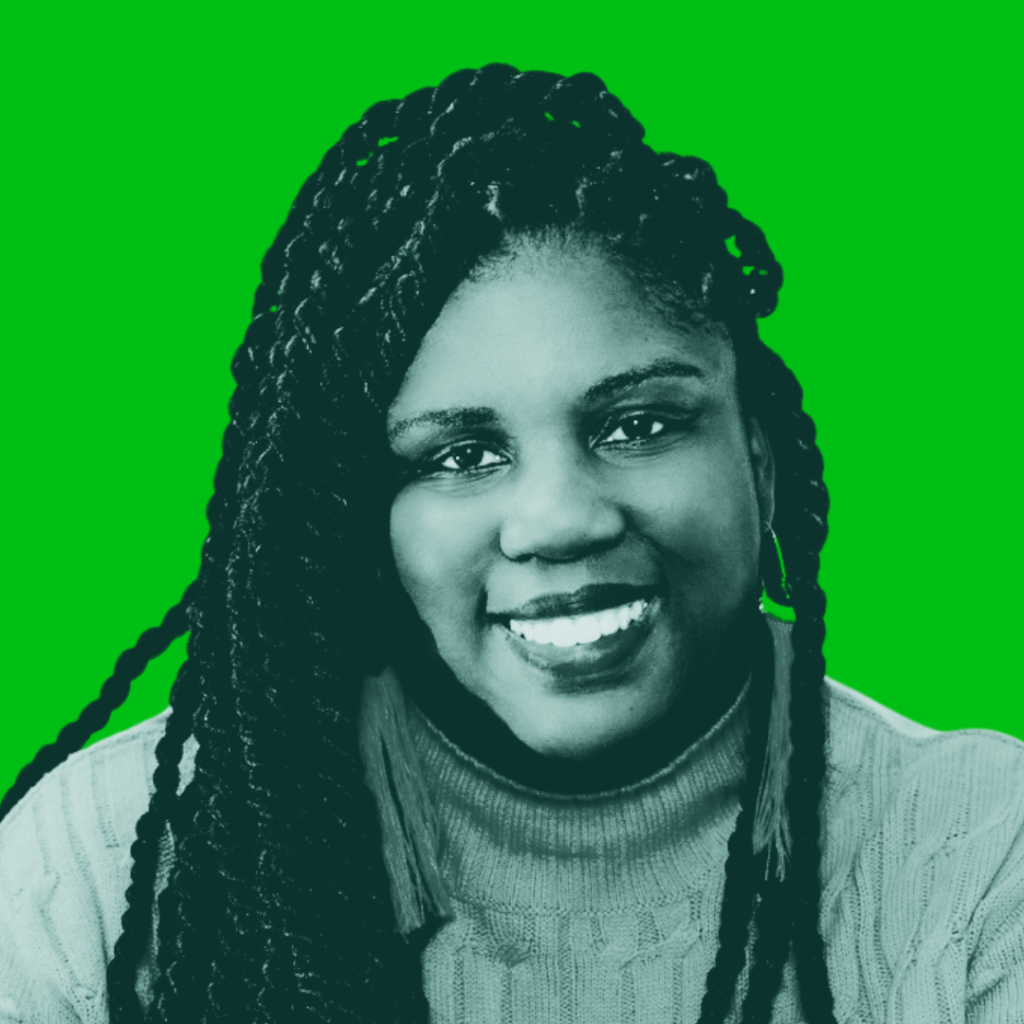
By Nourbese Flint, President
We are stripping those systems for parts while telling ourselves the future will somehow be stronger for it.
I wrestled in my brain about what to write.
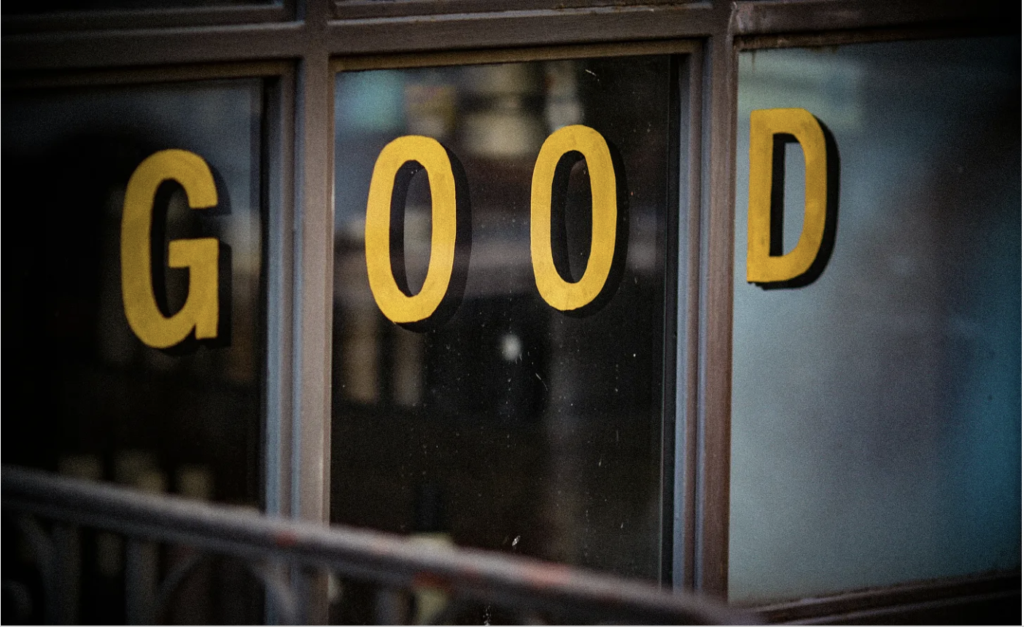
There are a million topics that come to mind—reproductive justice, motherhood, the daily calculus of care—but I kept landing in the same place: the slow, quiet death of good.
Dramatic? Sure.
But not less true.
At my day job at All Above All, we’re organized as a network. That means our work lives in relationship—with partner organizations, leaders, and movements across the country. One of my small joys is checking in, asking how people are really doing. Lately, those conversations have started to sound the same.
Survival.
Not strategy. Not vision. Survival. How to get through this year. Maybe the next. Survival in a moment when we actually need everyone fully engaged, fully resourced, fully imaginative.
Organizations that have existed for a decade or more—especially those led by people of color, particularly women—are being forced into impossible decisions. Meanwhile, there’s a renaissance of the old. Men reinstalled at the helm. Progressive values blamed for electoral losses. Consultants urging moderation, compromise, the quiet shedding of principles in the name of “winning.” A donor and funder class that has turned the ecosystem into something resembling the Hunger Games, where scarcity is manufactured and authenticity, solidarity and trust is treated as naïveté.
Elected officials trade courage for safety. Institutions mistake risk-aversion for wisdom. And those who insist that playing it safe will save us seem unwilling to name the obvious: we are not surviving because we’ve been playing it safe.
At the same time, the federal government is draining resources from health agencies, science, and nonprofits—the very industries tasked with holding the moral and practical infrastructure of this country. We are stripping those systems for parts while telling ourselves the future will somehow be stronger for it.
This is what we lose when good is treated as expendable.
We lose imagination.
We lose creativity.
We lose authenticity.
We lose accountability to one another.
And here’s the thing we don’t say enough: good is not accidental. It has an infrastructure.
Good requires institutions that can endure. It requires people who are paid enough to stay. It requires time, trust, and redundancy. Evolution figured this out long ago. Survival was never about the strongest organism winning—it was about diversity. About adaptability. About many traits, many strategies, many ways of being alive at once.
But infrastructure alone isn’t enough. Good also has a culture.
The World Happiness Report has shown this repeatedly, across countries and years: societies with higher well-being are not just wealthier. They are more trusting. More generous. More connected. People are happier when they believe others will show up—when kindness is expected, not exceptional. When joy isn’t treated as frivolous, but as evidence that something is working.
The villains and the cynics want us to believe otherwise. They insist that good is soft. That joy is unserious. That the world is so broken the only rational response is to become harder, crueler, smaller. That the only way through darkness is to mirror it.
That story is convenient. It is also wrong.
Good matters.
Kindness matters.
The means matter just as much as the ends.
Even now—especially now—we still see glimmers of everyday good. Neighbors shoveling ice for one another. People standing between harm and those most vulnerable. Quiet acts of care that never make headlines but keep communities alive.
That is the culture of good reminding us it exists.
The danger is not that good has disappeared. It’s that we’re starving it—defunding it, dismissing it, asking it to perform miracles without nourishment. We cannot build a future on vibes alone. Nor can we fund systems while eroding the values that give them meaning.
We need both.
We need the infrastructure of good: strong organizations, bold leadership, real investment.
And we need the culture of good: joy, courage, generosity, the refusal to confuse cruelty with strength.
I hope the good can remember that.
And more than that, I hope we decide—deliberately—to remember it too.